Stress, a poor diet, and partying are common to many students’ lifestyles. However, they are not conducive to good health. College-bound students leaving home for the first time are faced with making their own decisions about many things that affect their well-being. Here are some health tips to consider.
1. Eat a Balanced Diet
It should come as no surprise that eating right is at the top of the list of healthy behaviors. The adage “you are what you eat” is true. Your physical and mental resiliency depend upon your body receiving adequate nutrition.
Consuming foods with large amounts of sugar, salt, and saturated fats can compromise your immune system and lead to illness. It also can sap the energy you need to meet all your responsibilities. Your body requires nourishment to deal with the stresses of college life. Eating poorly can lead to obesity, sickness, fatigue, anxiety, and other undesirable conditions.
Most colleges and universities do not allow students to cook food in the dorms. However, you can keep your room stocked with snacks like fruit and nuts. This might help curb the temptation to order pizza or get fast food when you feel hungry.
Make good choices in the school’s cafeteria or dining hall. You have heard it a million times: Eat a balanced diet. That includes vegetables, fruits, whole grains, and protein. Make sure you have something from each food group every day. Ideally, the volume of vegetables in your diet should exceed that of meat.
This does not mean you have to survive on tofu and leafy vegetables, though you might be surprised by what you can do with such ingredients. Inevitably, you will eat some pizza, burgers, and fried bar snacks. These foods are linked to opportunities to make friends and socialize, which are important elements of the college experience. Practice moderation when enjoying junk food.
Be creative and find ways to eat your favorite foods in more healthy ways. Order whole-wheat tortillas and pizza crusts when they are available. Include vegetables in your pizza ingredients. Ask for low-fat white, rather than yellow, cheese; and choose chicken instead of beef or pork. Opt for baked, rather than fried, food.
Breakfast is important. You need an energy boost after many hours of not giving your body any fuel. Eat a bowl of healthy cereal or granola, or at least grab some fruit (and perhaps a whole-grain bagel) on the way out the door.
Drink water frequently, even if you are not thirsty. You may find that you feel better and eat less. Take it easy on the caffeine. While a little of this stimulant can be beneficial, consuming too much is counterproductive and potentially dangerous. The same is true of sodas and other beverages containing large amounts of sugar.
Your body needs a variety of nutrients, so don’t eat exactly the same foods every day. If you are trying to lose weight, be mindful of portion sizes but eat plenty of veggies and get enough protein. Never go on a crash diet. The weight you lose will probably return soon, and in the meantime you will have compromised your health.
2. Exercise
There are some other ways to ward off illness, boost energy, and stay in shape. One of the best methods is getting some exercise every day. Walking from your room to classes is not enough. Take longer walks, jog, ride a bicycle, go to a gym, or play a sport.
Between studying and socializing, you may not think you have time to exercise. All it takes is about 20 minutes every day, which is not that hard to fit into your schedule.
3. Get Enough Sleep
Many people do not appreciate the importance of sleep. You need to get at least seven hours of sleep per day. If you don’t, it will be harder to stay alert and focus on your studies.
Sleep deprivation may cause fatigue, headaches, and depression. Your relationships, as well as your grades, could suffer. If you are not getting enough sleep at night, try to take an afternoon nap. Avoid caffeine and sugar for at least a few hours before going to bed.
4. Take Precautions
College classes are in session during the winter, when the most illnesses occur. As a student, you are in close contact with numerous people. It is crucial to protect yourself from viruses and other infectious diseases.
Wash your hands often, especially after touching door knobs and other objects with which many people come in contact. This will keep you from catching most contagions. Get a flu shot, or choose an herbal alternative, to keep yourself from catching a bug. Obtain appropriate vaccinations. Take Vitamin C and antioxidants.
5. Cope with Stress
College life is stressful. Living away from home, dealing with new people, is hard enough. Studying and taking tests create additional anxiety. The college life challenges your mental, as well as physical, health.
Diet, exercise, and sleep are critical to managing stress. Take breaks when you feel overwhelmed. Switch from studying to playing a game or watching a video. Gain some perspective and relax. Spend some time outdoors every day. Find balance by connecting with nature.
Compartmentalize the things that cause you stress. Figure out what you need to do, a step at a time. Set priorities and short-term, attainable goals. Try to transcend the anxiety and look at things logically. Remember that your fellow students are having the same problems. Share your feelings with them, as well as with other friends and family members. Try meditation, yoga, or a hobby. Do not hesitate to speak with a counselor.
6. Avoid Risky Behaviors
Many college-bound students are excited about their new experience for the wrong reasons. They may be looking forward to partying and having sex. They are at an age when experimentation is normal, but it is vital to know how to stay safe.
Parties featuring beer or liquor are common on, or near, most campuses. You are likely to find yourself at such a party. If you are of legal age and choose to drink, know your limit to ensure that you remain aware and in control. Have a designated driver.
Friday, 8 July 2016
Do This With Your Finger to Make Healthier Food Choices
This quick tip can help you avoid giving in to junk food temptation
Making the healthy snacking choice might be as simple as flicking a switch: You’re more likely to choose healthy foods in a brightly lit room than in a dim one, a new study in the Journal of Marketing Research suggests.
People who ordered in bright rooms were 24 percent more likely to choose nutritious foods—like salads, vegetables, and grilled fish—than those who ordered in darker establishments.
On average, the people in the dim restaurants ordered 39 percent more calories than those in lighter places.
Bright lighting may nudge you toward healthier foods by keeping your brain alert, says lead study author Dipayan Biswas, Ph.D., a marketing professor at the University of South Florida.
That’s because light suppresses your brain’s production of the sleep-regulating hormone melatonin, keeping you awake and attentive.
And that makes you more likely to make mindful decisions—for example, to choose a side of broccoli over fries—rather than give in to the temptation of indulgences, Biswas says
Of course, you can’t change the lighting in a restaurant, but you can put these findings to work in your own kitchen.
When you’re on the hunt for a snack, make sure the lights in your kitchen are working in your favor: Flip your dimmer switch to the brightest setting and keep your blinds open to let sunlight in.
If you do find yourself in a dimly-lit restaurant, start your meal with a cup of tea or coffee first.
The researchers say that caffeine may have an effect similar to bright lighting, keeping your brain alert to help you make smarter eating choices.
Monday, 4 July 2016
The Best Summer Beers For Men
But perhaps no pair is as perfect as beer and summer.
Sure, you can drink a brew anywhere, in any season, but you can’t tell us that sipping a porter by the fireplace in the dead of winter is better than polishing off a pale ale at a Fourth of July BBQ or swimming in the lake on an August afternoon with a packed cooler of pilsners floating right beside you.
Sound like summer nirvana? Fill up a couple sixers with these exceptional warm-weather brews and we’ll meet back here in September.
THREE FLOYDS ZOMBIE DUST
Type: Pale Ale
Alcohol by volume (ABV): 6.2%
Hometown: Munster, Indiana
Swig this single-hop pale ale and you’ll taste loads of peach, passion fruit, and other citrus flavors. “It’s just a fantastic beer with an acidity that makes you want more and more,” says Matt Simpson, a certified beer sommelier who taught a “Beer 101” course at Emery University.
VICTORY HELIOS ALE
Type: Saison/Farmhouse Ale
ABV: 7.5%
Hometown: Downington, Pennsylvania
Despite its substantial ABV, Victory’s lemony, peppery Belgian farmhouse ale is surprisingly thirst-quenching, says Simpson.
“It comes in a big bomber bottle, which is usually meant to be shared,” he says, “but you can drink one of these by yourself in one sitting.”
Type: Hefeweizen
ABV: 4.8%
Hometown: Pittsburgh, Pennsylvania
Pour this hefe into your pint glass and you’ll catch a strong whiff of banana bread, a unique side effect of East End’s unique German yeast strain. But even if no bananas were actually used during the brewing process, “the fruity infusion makes this just perfect for summer,” says Daniel LaBert, executive director of the Brewers of Pennsylvania.
STONE GO TO IPA
Type: Session IPA
ABV: 4.8%
Hometown: Escondido, California
Session IPAs tend to be heavy in hops but relatively light in alcohol. (The more “sessionable” a beer, the more suitable it is for a long drinking session.) The style is still relatively new, but Stone’s stellar offering stands out above the rest, says Simpson.
“It’s still big and in your face with citrus hops like a standard west coast IPA, but it’s much lighter in strength,” he says.
BALLAST POINT WATERMELON DORADO
Type: Double IPA
ABV: 10%
Hometown: San Diego, California
In the last few years, Ballast Point has made huge waves with its wildly popular Grapefruit Sculpin, but the brewery’s other big fruity concoction—booze + bitter hops + watermelon—deserves equal kudos, says Greg Avola, cofounder and Chief Technology Officer of the beer-discovery app Untappd. Just keep an eye on that ABV.
WESTBROOK GOSE
Type: Gose
ABV: 4%
Hometown: Mount Pleasant, South Carolina
Goses are German-style sour wheat beers brewed with coriander and salt, which adds a sort of umami characteristic missing from other beer styles. And you won’t find a better American-made gose than this one, Simpson says: It’s tart and acidic enough to satisfy the sour heads, but has a crisp, subtly sweet finish to win over any novice beer lovers.
GREAT LAKES STEADY ROLLIN’
Type: Session IPA
ABV: 4.8%
Hometown: Cleveland, Ohio
This is another hot session IPA that’s “more aggressively bitter than a pale ale,” says Julia Herz, the Craft Beer Program Director for the Brewers’ Association.
After Great Lakes suggested pairing the malty, citrusy ale with spicy chicken tacos and a lazy river, we did just that. And it was glorious.
CREATURE COMFORTS TROPICALIA
Type: IPA
ABV: 6.5%
Hometown: Athens, Georgia
This fruit-forward IPA is gaining a rabid following in the southeast on the strength of its huge tropical aromas and juicy, well-balanced taste. “Beer fans across the entire country are trading for this stuff right now,” Simpson says.
BROOKLYN LAGER
Type: Amber/Red Lager
ABV: 5.2%
Hometown: Brooklyn, New York
If you’re used to drinking macro lagers—light, American-style beers like Budweiser, Miller Lite, and Coors—this is the beer that will make you want to try craft, says Simpson.
Boasting a solid hop profile and a nice, smooth finish, “it’s one of the few brews made in the U.S. that proves lagers can have plenty of flavor and body and still be relatively light,” he says.
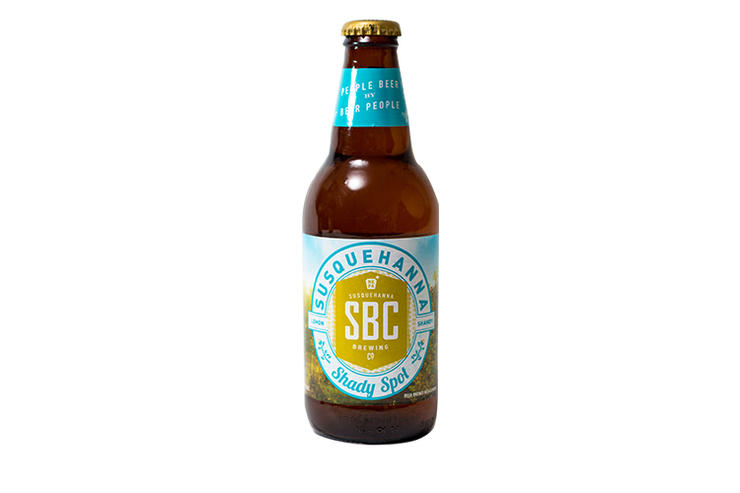
SUSQUEHANNA BREWING CO. SHADY SPOT LEMON SHANDY
Type: Fruit Beer
ABV: 4.7%
Hometown: Pittston, Pennsylvania
Shandies have existed overseas for centuries, but Americans only recently came to their senses and adopted the style stateside. Good thing they did: The so-simple-it’s-genius combination of beer and lemonade—executed to perfection in SBC’s dangerously drinkable Shady Spot—is refreshingly delicious on a hot summer day, LaBert says.
DOGFISH HEAD FESTINA PECHE
Type: Berliner Weisse
ABV: 4.5%
Hometown: Milton, Delaware
Berliners are light, German wheat beers with a distinctively sour kick. But they’re not easy to make, Simpson says, which is why they tend to skew more local.
The tart, peachy Festina Peche is one of the few Berliners with widespread distribution. Snag a bottle and sip it on a slow afternoon.
CORONADO BERRY THE HATCHET
Type: Hefeweizen
ABV: 4.6%
Hometown: Coronado, California
Coronado brews this ale—newly available outside of California in bottles—with raspberries, blackberries, and boysenberries. The resulting taste is slightly tart, but never sour. “It’s the perfect sessionable beer,” Herz says.
BELL’S OBERON ALE
Type: Wheat Ale
ABV: 5.8%
Hometown: Kalamazoo, Michigan
This citrusy classic is so revered in the Midwest that Michiganders celebrate its release every year with a series of “Oberon Day” events. The spicy, fruity ale is the quintessential lawnmower beer: ridiculously thirst-quenching, but chock full of character.
“I don’t talk about guzzling beers very often,” Simpson says, “but you can guzzle this one.”
NEW BELGIUM HEAVY MELON
Type: Fruit Beer
ABV: 5%
Hometown: Fort Collins, Colorado
There’s no shame in nursing a Corona and lime by the beach. But if you want that same lime taste with a little bit more nuance—and less sweetness—Avola recommends this ale brewed with juicy watermelon and zesty lime peel.
“The lime is so subtle,” he says, “but it’s very, very refreshing.”
SURLY HELL
Type: Helles Lager
ABV: 4.5%
Hometown: Brooklyn Center, Minnesota
This light German lager has a sweet, malty taste—kind of like a loaf of bread that you can drink. There’s only a hint of a hop finish, but it’s enough to add a nice bitter balance to the rest of the beer, Simpson says.
ZERODAY MANGO HAB
Type: Pale Ale
ABV: 6%
Hometown: Harrisburg, Pennsylvania
This adventurous pale ale fuses sweet mango and habanero heat. Barely a year old, Mango Hab is the newest (and smallest) beer on this list, but “it’s just out of this world,” LaBert says. Ready for a road trip to the Keystone State?
OMMEGANG HENNEPIN
Type: Saison/Farmhouse Ale
ABV: 7.7%
Hometown: Cooperston, New York
Bring a bottle of Hennepin to a classier summer affair, like an outdoor dinner party. The sterling saison has a Champagne-like carbonation and boasts strong flavors like ginger and coriander.
It’s a complex alternative to the more basic Belgians you’ll be drinking all summer long, says Avola.
GRAND TETON SNARLING BADGER
Type: Berliner Weisse
ABV: 7.5%
Hometown: Victor, Idaho
This Berliner’s lemony tartness comes from fermentation with Lactobacillus, the strain of bacteria that gives yogurt its tang. “When you have a beer like this with more sour attributes, it’s going to balance the salt and fat in food really well,” says Herz.
Pair a Badger with a burger and fries and you’ll see what she means. “It will leave your mouth refreshed and ready for the next bite.”
FOUNDERS RUBAEUS
Type: Fruit Beer
ABV: 5.7%
Hometown: Grand Rapids, Michigan
The raspberry-forward Rubaeus earns serious style points for its beautiful red pour, and even more praise for its well-balanced taste. Your tongue will pick up a perfect combination of sweetness and tartness, says Simpson.
“You don’t get any real bitterness here,” he says, “but it’s really, really tasty.”
Saturday, 2 July 2016
The 3 Kinds of Leftovers That You Should NEVER Eat Again
If you’re someone who reaches for the leftovers with not a thought, these danger dishes might give you a shock.
Leftovers are something that many of us have a love-hate relationship with. We hate that it doesn’t taste as good as when it was freshly made, but we love the fact that it only takes a couple of minutes in the microwave to make it ready for consumption.
Modern cooking is often about the microwave, as we heat up leftovers, batches cooked up earlier and more.
But did you know that dinner might not be the only thing you’re preparing, as food poisoning could be on the menu, too?
According to the Food Standards Agency, the secret to making sure you eat safely is in the four Cs – cooking, cleaning, chilling, and cross-contamination – or avoiding it.
They say that that it’s important to cook food thoroughly, particularly meat, to kill any harmful bacteria that may be present.
But when it comes to reheating food, you must make sure it is steaming hot all the way through, and don’t reheat food more than once.
Here are seven foods you should take care to avoid reheating unless you want to book a day away from work – and in the bathroom instead.
Rice
The problem with eating leftover rice mainly stems from the way it is stored. According to the Food Standards Agency, uncooked rice may contain spores of harmful bacteria that survive throughout the initial cooking process. If leftover rice is not kept at the right temperature, these spores will spread and multiply, and may cause digestion problems such as diarrhea or vomiting if consumed.
Reheating the rice doesn’t help, as these are spores that are able to survive even boiling hot temperatures. It is best to eat all of your rice right after it is cooked, however if you do have some left over, put it in your fridge or your freezer immediately after you are finished with it. Don’t let it sit at room temperature for longer than an hour, as the longer it is left out the more these dangerous spores will spread.
Vegetable Oil
Reheating meals made with vegetable oil for leftovers may put you at risk of heart disease, stroke, and even cancer. New research has found that repeatedly heating up polyunsaturated oils that have linoleic acid like canola, corn, soybean and sunflower oils, may release a toxic compound that can cause a variety of health disorders.
The compound in question is a fatty acid-derived toxin that is called 4-hydroxy-trans-2-nonenal (HNE). Numerous studies have linked consumption of HNE to many serious health conditions including cardiovascular disease, stroke, Parkinson’s, Alzheimer’s, Huntington’s disease, liver ailments and cancer.
According to American Dietetic Association spokeswoman Jeannie Moloo, heating vegetable oils too much or constantly reheating them can release HNE.
“If a person is concerned about the health aspects of HNE, then my recommendations would be to never heat any oil to the point of smoking and, as far as cooking at home goes, just use the oil one time,” she said.
Vegetables
Although many people claim that reheating leafy greens makes them poisonous, it is actually the way they are stored that can make them potentially dangerous.
According to the Center for Food Safety, leftover vegetables should be put into an area where the temperature is below 4 degrees Celsius or below, and if you are planning on storing these vegetables for longer than 12 hours you should freeze them.
This is because many vegetables, such as lettuce, spinach, celery, and beets, contain high amounts of a compound called nitrate. Although nitrate itself is not harmful, if vegetables are left out at room temperature bacterial action will cause the accumulation of nitrite, which is a metabolite of nitrate.
Nitrate consumption has been known to be harmful to infants and young children as it can cause a blood disorder called methemoglobinemia, which symptoms include headaches, fatigue, shortness of breath and seizures.
Friday, 1 July 2016
Amazing Recipe To Stop Your Hands From Revealing Your Age!
Over time, each person goes through the natural process or better said natural cycle of aging and getting older.
As a result of that, on the skin appear the first signs that show people are growing old. Human body starts changing and transforming. Over time you can notice lines around our eyes, enlarged pores and age spots on our face, neck and cleavage which actually are the first signs of the aging process.
In addition, many people are not aware that their hands can also suffer from the inevitable aging process since they don’t pay much attention to them. The reason why the hands age even faster is that you use them much more than any other parts of the body. While you are doing the dishes, cleaning, preparing food and many other things on your hands appear permanent marks.
Luckily, there are several tricks that you can try, in order to keep the youthful soft look on your hands for much longer. If you want to see how to protect your hands from premature aging you definitely should continue to read this article.
First of all, it is very important to look out for how often your hands come in contact with germs, bacteria and other external potentially damaging factors and how often you wash them, since these things are connected to the aging process of your hands.
At the same way you exfoliate your face, you can exfoliate your hands. This is extremely helpful because by doing that, you will remove all of the dead skin cells and make them soft and glowing once again. The best part is that below we are going to present you the perfect recipe for homemade scrub which is more effective than the ones you can find on the market, so you don’t have to use store – bought creams.
Here’s the recipe:
- Olive oil
- Cinnamon
- Brown sugar
Method of preparation:
All you should do is to mix all ingredients together. After that apply the mixture on your hands and gently massage them. At the end, wash your hands with warm water and dry them off.
How To Remove Plaque Without Going To The Dentist
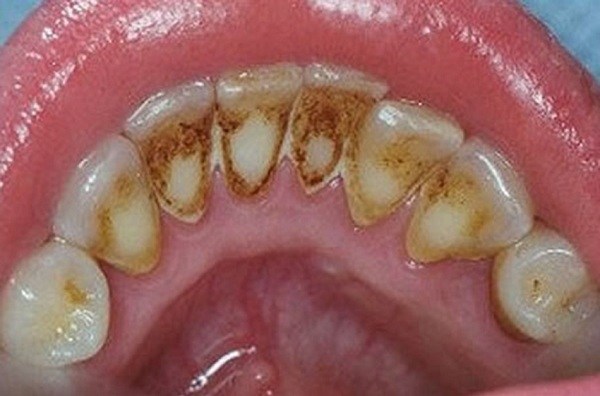
Mineral deposit on teeth is known as tartar. As time passes by, the amount of tartar increases and if you don’t take care, it can cause periodontitis.
Of course, the best way to remove tartar is paying a visit to your dentist, but another way is to remove tartar at home.
To do so, you will need:
– Baking soda
– Toothbrush
– Hydrogen peroxide
– Salt
– Water
– Cup
– Dental pick
– Antiseptic mouth wash
Baking soda is the most popular and effective tool for removing plaque.
Step 1:
First, mix one tablespoon of baking soda with ½ teaspoon of salt into the cup. After you wet the toothbrush with warm water, dip it into the mixture. Scrub teeth with it and spit. Continue the same process for five minutes.
Step 2:
Mix a cup full with hydrogen peroxide with ½ cup of warm water and rinse your mouth for one minute, then spit and rinse with ½ cup of cool water.
Step 3:
Rub the yellow tartar from teeth with a dental pick. Be careful not to scrape the gums because it may irritate and damage them.
Step 4:
Rinse mouth with an antiseptic mouth wash and repeat every second day.
Here are some other advices to help you keep your beautiful smile.
Strawberries and Tomatoes
Tomatoes and strawberries are rich in vitamin C which is excellent for oral health. You can rub these fruits directly onto your teeth and let it sit for 5 minutes. This way the tartar build-up will soften.
Rinse your mouth with baking soda mixed with warm water afterwards. Also, you can use the same procedure with other food that contains vitamin C, like bell peppers, berries, lemons, lime, oranges and papaya.
Cheese
Eating a Swiss or Cheddar cheese before meals helps neutralize the acids that involve plaque creation. An ingredient in aged cheese works as a barrier agent.
Moreover, there are other things that you can add into your oral health routine:
- Brush your teeth regularly with a soft brush and make vertical movements. Pay attention on the space between gums and teeth.
- Floss regularly.
- Consuming spicy food stimulates salivary glands. That way saliva cleans mouth in a natural way.
- Fight bacteria with an orange peel rub on teeth before going to bed and don’t rinse mouth.
Justin Bieber’s model, marries millionaire, 62, in $1.1 million worth wedding!
Xenia Deli, the model who appeared in Justin Bieber’s ‘What Do You Mean?’ music video, is now a wife! The 26 year-old married a business mogul who’s a whopping 36 years her senior in a BEYOND lavish ceremony. Even crazier, the whole ordeal is rumored to have cost roughly $1 million!
Xenia Deli, 26, who’s a former Victoria’s Secret star, Playboy cover girl, AND Justin Bieber‘s, 22, love interest in his “What Do You Mean?” music video, tied the knot with Ossama Fathi Rabah Al-Sharif, 62, at a luxury Greek resort on June 4, 2016. And not only was the over-the-top event rumored to cost nearly $1 million, but the ceremony overlooked the ocean and Xenia arrived at the reception in a horse drawn carriage. Talk about a real life fairytale!
The gorgeous wedding was hosted in the village of Pyrgos at a luxury winery and wedding venue called Santo Wines, according to Daily Mail, which overlooked the ocean! SUCH a dream location! And although the affair was nothing short from grand, it was relatively intimate as there were only about 150 guests in attendance.
Xenia Deli: See Pics Of The Model’s Gorgeous Wedding Day
The attendees were totally treated like royalty though as they were seated outside on white chairs while the bride and groom were married under a huge canopy of fresh flowers. Xenia looked drop-dead beautiful in her full length gown designed by Zuhair Murad, which featured a sheer bodice, major embellishments, and a full skirt with delicate lace and ruffles.
But while Xenia definitely looked like a princess during the ceremony, for the after party, her skirt, which was tied around the waist with ribbon, was removed to reveal a much sexier and slinky skirt underneath. Kind of brilliant, right? The reception also featured a massive five-tier cake, which only goes to show that NO detail was spared for this millionaire couple.
Xenia began dating the Egyptian real estate mogul in the summer of 2015, where he proceeded to shower her with expensive gifts — including diamonds, a red Maserati, and trips in his private jet! And now that the wedding is over, the couple’s adventures are only getting started!
After their big day the newlyweds jetted off to Switzerland, where Moldovan-born Xenia’s parents live. Next they will be making their way to Paris and London, which is where they plan to move.
Subscribe to:
Posts (Atom)